





Owning a wood acoustic guitar comes with a quiet list of chores. Watch the humidity. Run a humidifier in winter. Keep it out of hot cars. Expect the action to drift with the seasons and budget for the occasional setup. None of it is hard, but it adds up, and for some players, it is a low hum of worry that never fully goes away.
Carbon fiber guitars remove most of that list. Not by magic, but because the material behaves completely differently from wood. If you have ever wondered why carbon fiber owners seem so relaxed about humidity, heat, and storage, here is the actual reason.

Most guitar maintenance exists because of wood
To understand why carbon fiber needs less care, you have to understand what wood does. Wood is a natural material that absorbs and releases moisture from the air. When the air is humid, wood swells. When the air is dry, it shrinks. That constant movement is the root cause of nearly every maintenance task a wood guitar demands.
It even affects the acoustic guitar bracing, the internal strips of material that support the top and shape its tone, since those braces are glued to wood that is constantly moving. When wood shrinks in dry winter air, the top can crack, and the action, which is the height of the strings above the fretboard, can drop until the strings buzz. When it swells in humid summer air, the action can rise until the guitar is harder to play. The neck shifts too, which is why wood guitars often have a truss rod that needs adjusting to keep the neck straight as the seasons change.
This is why acoustic guitar humidity is such a constant topic among wood owners. The humidifier, the seasonal setup, the careful storage, all of it is there to manage one thing: wood reacting to the air around it.
Carbon fiber does not move with the weather
Carbon fiber is made from woven fibers set in resin, and it does not absorb moisture. That single property changes everything about upkeep.
Because the material does not swell or shrink, a carbon fiber guitar does not crack from dry air, does not develop seasonal high action, and does not need a humidifier sitting in the case all winter. The neck stays put, so there is no chasing truss rod adjustments every time the weather turns. You can take a carbon fiber guitar from a humid coast to a dry mountain town, and it plays the same in both places.
That stability is the headline, but it has a quieter benefit too. A guitar that holds its shape also holds its setup, so the low, clean action it left the factory with stays that way far longer than it would on a wood instrument.
Tuning that holds
There is one more wood behavior worth calling out because it shows up in everyday playing. On a wood guitar, the body and neck move enough with temperature and humidity that the guitar can drift out of tune between sessions, which is part of why players are told to expect frequent retuning.
A carbon fiber guitar is far more stable here. With no wood moving underneath the strings, tuning stays put much better, so you spend less time at the headstock and more time playing. It is a small thing day to day, and a genuinely nice one over a year.
What maintenance is still worth doing
Less maintenance is not no maintenance, and it would be dishonest to pretend otherwise. A carbon fiber guitar still benefits from basic care, and the good news is the list is short.
Wipe the strings and body down after you play to keep them clean and extend string life. Change strings when they sound dull or feel rough. Keep the guitar in a case when you are not playing it, mostly to protect the finish and hardware from knocks. That is essentially it. A simple maintenance kit covers the cleaning side, and there is no humidifier, no hygrometer, and no seasonal setup ritual to keep track of.
It is worth being clear that carbon fiber has its own tonal character rather than being a copy of wood. It tends to sound bright, clear, and consistent, with more sustain than a comparable wood body. Many players love that voice, and KLŌS also offers a warmer material called Carbon Timber for those who want something closer to a traditional wood tone. The point is that you choose carbon fiber for what it offers, including the low upkeep, not as a wood imitation.

Set up right from the start
Here is a detail that ties the whole maintenance picture together. A lot of the setup headaches players blame on their guitar actually start on day one, with an instrument that arrived poorly adjusted. Budget guitars, in particular, often ship with high action that makes them harder to play until a tech fixes it.
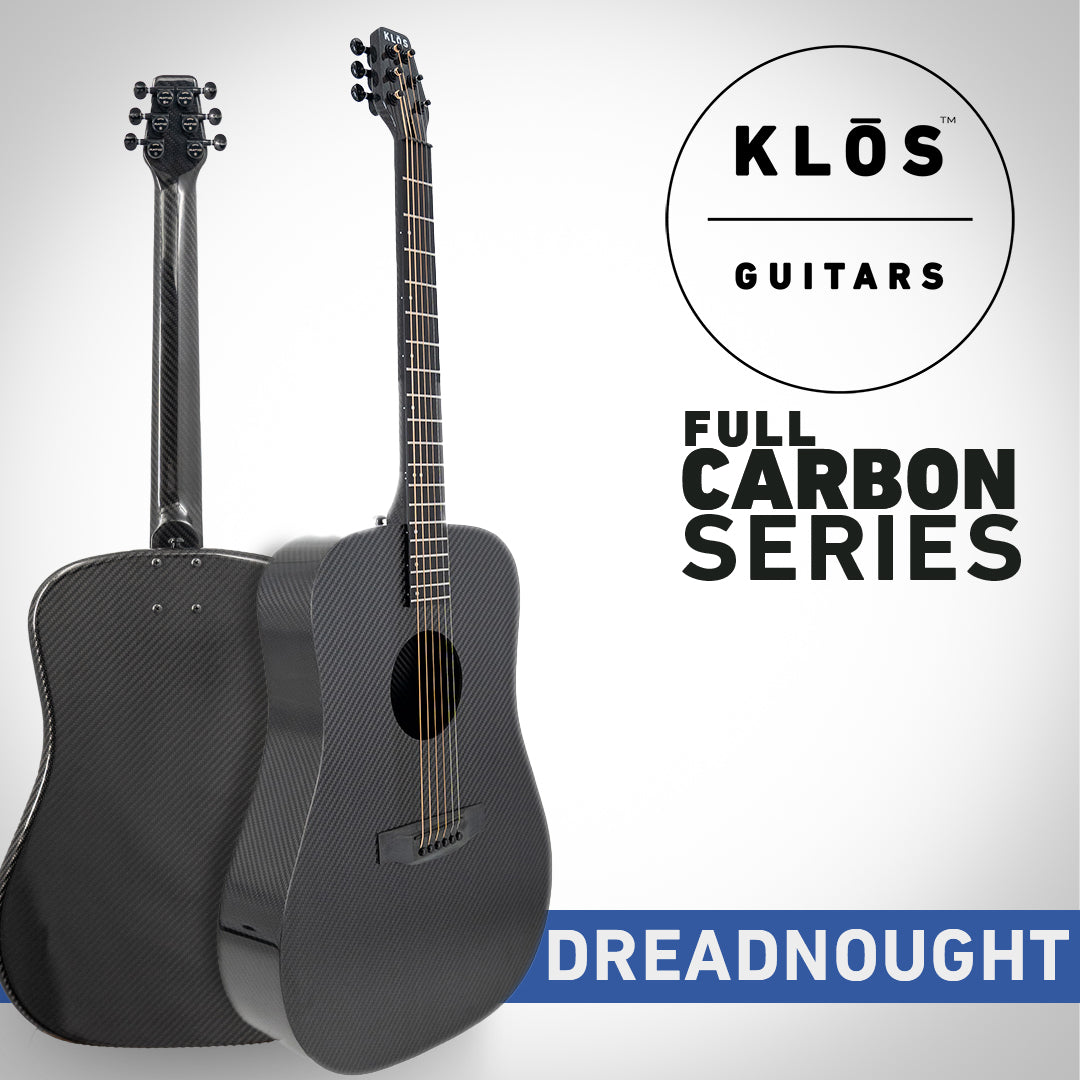
KLŌS instruments are set up on a PLEK machine, a precision tool that measures the neck and levels each fret, then dials in a low, even string height across the whole fretboard. Combined with a body that does not move with the weather, that means a guitar like the KLŌS Travel Guitar or the full-size KLŌS Dreadnought plays cleanly out of the case and stays that way, without the cycle of seasonal adjustments a wood guitar tends to need.
The bottom line
Wood guitars are wonderful instruments, and for many players, the care they require is part of the bond. But if that upkeep is something you would rather skip, carbon fiber offers a real alternative. Most acoustic guitar maintenance exists to manage wood reacting to humidity, and carbon fiber simply does not react that way.
Less worry about acoustic guitar humidity, fewer trips for an acoustic guitar setup, no seasonal scramble. For a player who wants to spend time playing rather than tending, that is the quiet advantage carbon fiber was built to deliver.


Leave a comment