





The ukulele is already one of the most portable instruments there is, which is a big part of why people fall for it. Small, light, and cheerful, it practically begs to come along on a trip, a hike, or an evening around a fire. But there is a real difference between a ukulele that can travel and one that is actually built for it, and learning that difference before you buy saves you from a cracked top and a ruined tune halfway up a mountain.
Here is what makes a genuine travel ukulele, what the outdoors demands of an instrument, and how to choose one that plays as well on the trail as it does at home.

Travel Is Harder on an Instrument Than You Think
A ukulele that lives on a shelf at home has an easy life. A travel ukulele does not. It gets packed into bags, wedged into overhead bins, left in warm cars and cool tents, carried through humid coastlines and dry mountain air, and handled by people who are not always gentle. Every one of those things is a small stress, and together they add up to a life an ordinary instrument was never designed for.
That is why the right travel instrument is not simply a small ukulele. It is one built to shrug off the specific abuses of the road: physical knocks, wide temperature swings, and constant changes in humidity. Get those three things handled, and the ukulele becomes a true travel companion. Ignore them, and you are gambling with your instrument every time you leave the house.
Durability: It Will Get Knocked Around
The first demand of travel is toughness, because a traveling instrument takes hits that an at-home one never would. A thin, delicately braced wood ukulele can crack or dent from an impact that a sturdier instrument would shrug off, and repairs on the road are inconvenient at best.
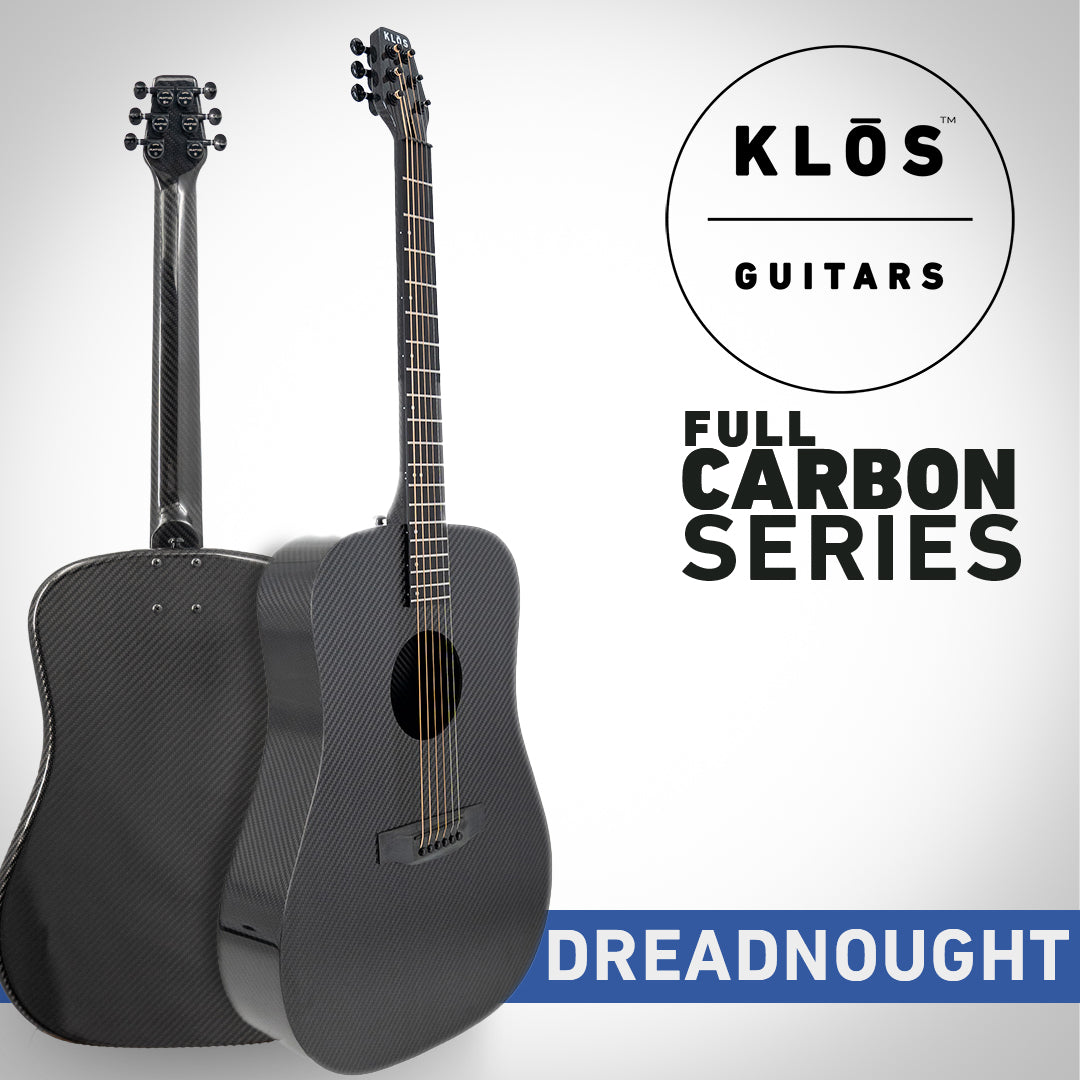
This is where the body material starts to matter enormously. Carbon fiber is exceptionally strong for its weight, so a carbon fiber ukulele resists the dings, drops, and pressure that make wood owners wince. It is one of the main reasons the material has become popular with players who genuinely take their instruments out into the world rather than just around the living room. A tough instrument travels with confidence rather than anxiety.
Climate Stability: The Silent Instrument Killer
Impacts are the obvious threat, but climate is the sneaky one, and it does more damage to more traveling instruments than any drop. Wood is a natural material that absorbs and releases moisture as the air around it changes, swelling in humidity and shrinking in dry air. Travel throws exactly those swings at an instrument constantly.
For a wood ukulele, the consequences are real. Dry air can crack the top, humid air can swell the body and open seams, and either way, the instrument drifts out of tune as the wood moves, which means you are retuning constantly and worrying about damage you cannot see. Managing that on the road means a humidified case and careful storage, extra gear, and extra vigilance just to keep the instrument healthy.
Carbon fiber removes the problem at its source. Because it does not absorb moisture, a carbon fiber ukulele does not crack, warp, or shift with humidity, and it holds its tuning far better because the body is not moving underneath the strings. You can take it from an air-conditioned room to a humid porch to a dry campsite, and it plays the same in all three, with no humidifier and no seasonal fuss. For an instrument whose whole job is to go places, that stability is the single most valuable trait it can have.
Size and Weight: Packing Smart
Portability is partly about the instrument's footprint, so size is worth a thought. All ukuleles are compact, but the smaller sizes pack more easily into a carry-on or a backpack, while larger ones give you a fuller sound and more room for your fingers. It is a genuine trade-off between packability and playability, and the right answer depends on how you travel.
For most travelers, a concert or tenor hits the sweet spot: small enough to carry comfortably, large enough to sound and play well. If you want help sorting out which size fits you, our guide to ukulele sizes breaks down how each one feels and sounds. The Full Carbon Concert Ukulele is the most compact instrument in the KLŌS lineup and weighs about one pound eleven ounces, roughly the weight of a full water bottle, which makes it genuinely easy to grab and go. If you want a fuller voice and a roomier fretboard and do not mind a slightly larger case, the Full Carbon Tenor Ukulele travels nearly as easily with more body to its sound.
A Case That Is Ready for the Road
An instrument built for travel deserves a bag built for it, too. A flimsy sleeve will not protect a ukulele from the realities of a trip, while a well-padded, backpack-style bag lets you carry the instrument hands-free and shields it from the knocks of transit. It is the difference between an instrument that arrives ready to play and one that arrives with a new crack.
This is something worth checking before you buy, since it is not always included. Every full-carbon KLŌS ukulele ships with a backpack-style gig bag made from the same tough material used in camping packs, so the instrument is travel-ready straight out of the box, with no separate purchase required.

Choosing Your Travel Ukulele
Put it together and the checklist for a real travel ukulele is short. Prioritize durability so it survives the knocks, climate stability so it does not crack or drift out of tune with the weather, a size that matches how you pack against how you want it to play, and a protective bag that is ready for transit. Nail those, and you have an instrument that makes music anywhere without making you worry.
Carbon fiber checks nearly every one of those boxes at once, which is why it has become the natural choice for players who actually take their music on the road. Pick an instrument built for the life you are going to give it, and your ukulele will be the easiest, most reliable thing you pack. That is exactly what a travel instrument is supposed to be.


Leave a comment