




Shopping for a mandolin can feel like walking into a room where everyone already knows the secret handshake. The prices swing from under a hundred dollars to five figures, body shapes have letters instead of names, and half the online advice contradicts the other half. It does not have to be that complicated.
The good news is that mandolins have gotten better across every price tier. A beginner instrument in 2026 plays better than a mid-tier one did fifteen years ago, and the factory setups have improved dramatically. The trick is matching the instrument to where you actually are as a player, not to the one a professional recommends because it happens to be what they play.
Below are ten mandolins worth your attention this year, sorted by budget and use case. We picked them for playability out of the box, build quality that holds up, and honest value for the price.

How We Picked
We weighted three things heavily. First, setup quality, meaning how the instrument plays before you spend a dime at a repair shop. A mandolin with high action (the distance between the strings and the fingerboard) will fight you on every note, and beginners quit over it. Second, tuning stability and durability, because an instrument you can trust is an instrument you actually pick up. Third, value, which is not the same as cheap. A hundred-dollar mandolin that needs eighty dollars of work is not a bargain.
We did not rank by tone alone, since tone is personal and a great setup changes it more than most people expect.
Best Mandolins for Beginners
1. Kentucky KM-150
The Kentucky KM-150 is the instrument most teachers point new students toward, and for good reason. It uses a solid spruce top rather than laminate, which gives it a fuller voice as it ages, and the fit and finish punch above the price. Expect to spend a little at a shop to dial in the action, but the bones are excellent.
2. The Loar LM-110
The Loar leans into a vintage, woody tone that suits old-time and folk playing. The LM-110 has a hand-carved top and a comfortable neck for smaller hands. It is a strong pick if you want character on a tight budget and don't mind a slightly darker sound.
3. Ibanez M510
If you want the lowest risk entry point, the Ibanez M510 is dependable and widely available. It will not win tone competitions, but it stays together, holds tune reasonably well, and gets a beginner playing without drama. Think of it as the reliable used hatchback of mandolins.

Best Mandolins for the Money (Intermediate)
This is the tier where things get interesting, roughly the range where you get real tonewoods, better setups, and instruments you can grow into for years.
4. Eastman MD305
Eastman has quietly become one of the most respected names for value, and the MD305 is why. Hand-carved solid woods, a satin finish that feels great under the arm, and a clear, balanced tone make it a favorite for players stepping up from a starter. Many people buy this and never feel the need to upgrade.
5. Kentucky KM-250
A step up from the KM-150 in every way, the KM-250 adds an all-solid body and a more refined factory setup. It has the punch bluegrass players want, and it records well. This is the best mandolin for the money if your budget lands in the mid-hundreds, and you play with other people.
6. KLŌS A-Style Carbon Fiber Mandolin
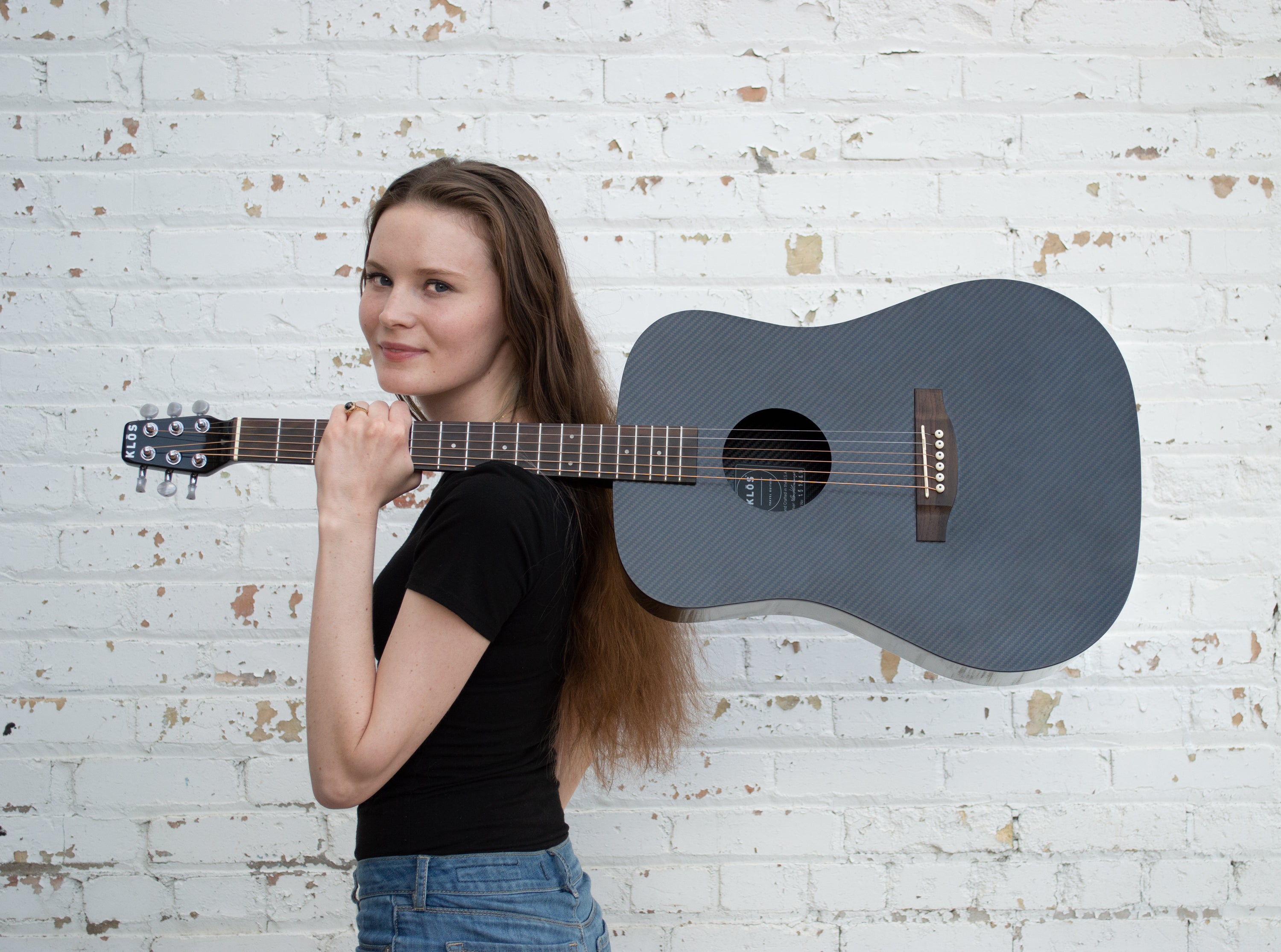
Here is the one that breaks the mold. The KLŌS A-Style carbon fiber mandolin is built from carbon fiber rather than wood, which changes what you can do with it. It does not warp, crack, or need seasonal adjustment, and it shrugs off heat and humidity that would send a wood instrument to the repair bench. That makes it the obvious pick if you travel, camp, gig outdoors, or live somewhere with wild swings in weather.
There is a sound story here too. A carbon fiber mandolin of comparable size tends to play louder than a typical wood mandolin, which helps it cut through in a jam or a bluegrass circle where five other instruments are fighting for space. It also holds its tuning noticeably better and offers more sustain, meaning notes ring longer before they fade. Every KLŌS ships set up on a PLEK machine, a computer-controlled process that dials in the frets and action to professional standards, so it plays right out of the box. If you love the F-style look, KLŌS also makes an F-style version, which runs about a thousand dollars more than the A-style.
7. Gold Tone GM-70
The Gold Tone GM-70 is an F-style at an intermediate price, which is rare. The scroll and points are largely cosmetic, but if you want that classic bluegrass silhouette without the pro price tag, this delivers a warm tone and solid playability.
Best Mandolins for Serious and Professional Players
8. Collings MT
Collings builds some of the finest mandolins in the world, and the MT is their more accessible model, though it still sits in professional territory. The craftsmanship is meticulous, the tone is focused and loud, and it holds resale value as few instruments do. This is a lifetime instrument for the wood purist.
9. Eastman MD515
The MD515 gives you a hand-carved, F-style bluegrass cannon at a price well below the boutique builders. Loud, articulate, and gorgeous, it is the instrument many gigging players land on when they want pro sound without a pro budget. It competes with mandolins costing twice as much.
10. Gibson F-9
Gibson is the name that defined bluegrass mandolin tone, thanks to players like Bill Monroe who built an entire genre around it. The F-9 is their more stripped-down professional model, offering that legendary Gibson bark and projection with less ornamentation. It is an investment, but it is the reference point other mandolins get measured against.

A Few Buying Tips Before You Commit
Buy the best setup you can, not the flashiest features. A mandolin that plays easily will get played, and one that hurts your fingers will end up in a closet.
Think about where the instrument will live. If it will spend its life in a climate-controlled room, a wood mandolin will be happy. If it will ride in a car trunk, fly in a plane, or come to the beach, a carbon fiber instrument saves you the constant worry about cracks and humidity.
Finally, do not overspend on your first one, but do not go so cheap that the instrument fights you. The middle tiers offer the best return on your money, and a good mandolin holds its value if you decide to trade up later.
The Bottom Line
The best mandolin is the one that fits your budget, your climate, and the music you want to play. If you want the traditional route, the Eastman and Kentucky lineups are hard to beat for value, and Collings or Gibson wait at the top. If durability, travel, and a louder voice matter more to you, a carbon fiber instrument is a genuinely different tool.
Whichever you choose, know that the mandolin community is smaller than the guitar or ukulele world, but it is tight-knit and genuinely happy to welcome newcomers. Show up to a jam with any of these, and you will find people ready to help you get better.


Leave a comment