




Walk into any music shop, and the ukulele wall can feel like a lineup of near-identical instruments in slightly different heights. The two you will bump into first, and the two most people actually choose between, are the soprano and the concert. They look like cousins because they basically are. The differences are small on paper and surprisingly big in your hands.
Here is the short version before we dig in. The soprano is the smallest and most classic ukulele, the one that makes that bright, plinky sound you probably picture when you hear the word ukulele. The concert is a step up in size, a little roomier to play, with a slightly fuller tone. Neither is better. They just fit different hands, different ears, and different goals.
Let me walk you through what actually changes as you move from one to the other, so you can pick with confidence instead of guessing.
The Size Difference in Plain Numbers
A soprano ukulele runs about 21 inches long overall, which is roughly a school ruler and a half laid end to end. A concert comes in around 23 inches, so about two inches taller. Two inches does not sound like much, and if you set them side by side on a table you might shrug. Pick them both up, though, and your hands notice immediately.

That extra length mostly lives in the neck and the playable area, which brings us to the part that matters more than the overall height.
Scale Length and Fret Spacing
Scale length is the distance from the nut, the little ridge at the top of the neck where the strings start, to the bridge where they end down on the body. It is the vibrating length of the string, and it controls how far apart the frets sit.
A soprano has a scale of about 13 inches. A concert stretches to roughly 15 inches. Because the concert stretches a similar number of frets over a longer distance, each fret sits a little farther from the next. That wider spacing is the single most useful thing to understand here.
If you have larger hands or thicker fingers, the soprano can feel cramped. Your fingertips crowd each other, and clean chord shapes get fiddly, especially down near the body where the frets bunch together. The concert gives those same fingers more room to land without bumping neighbors. Smaller hands, younger players, and kids often find the soprano perfectly comfortable and the concert slightly long. It really is about the hands doing the work.

How They Sound
Tone is where opinions get passionate, so let me keep it grounded in physics rather than adjectives. A smaller body moves less air, so the soprano leans bright, punchy, and quick to decay, meaning the note fades fast. That crisp, staccato pop is the traditional ukulele voice, and a lot of players chase it on purpose.
The concert has a bigger body and that longer string length, so it pushes more air and holds notes a touch longer. The result is a rounder, warmer sound with a little more low end and a little more sustain. It still reads clearly as a ukulele. It just has more body underneath the brightness.
Both models usually tune to the same notes, G C E A, sometimes written GCEA, where the strings from top to bottom are G, C, E, and A. Standard high-G tuning is re-entrant, which means the G string is tuned high rather than low, so the pitches do not run in a straight low-to-high order. Because the tuning matches, chord shapes and songs transfer between the two sizes with zero relearning. You are changing the size of the room, not the language you speak in it.
Comfort, Playability, and Portability
Comfort involves more than finger room. It is also about how the instrument sits against your body. The soprano is featherlight and tiny, which makes it wonderfully grab-and-go. Toss it in a bag, take it to the beach, hand it to a curious kid. The concert is still very portable by any normal standard, just a hair bigger and heavier in a way most people never notice after the first day.
Players who strum casually and love that classic chime tend to click with the soprano. Players who fingerpick, who want a bit more note separation, or who plan to grow into more detailed playing often prefer the concert's roomier neck and fuller voice. If you are stuck, the concert is the safer default for adult hands, which is exactly why so many beginners land there.
Who Each One Suits
Reach for a soprano if you want the most traditional ukulele sound, you have smaller or average hands, you love the light and tiny feel, or you are buying for a child. It is the purest expression of what most people mean by ukulele, and it is often the most affordable entry point too.
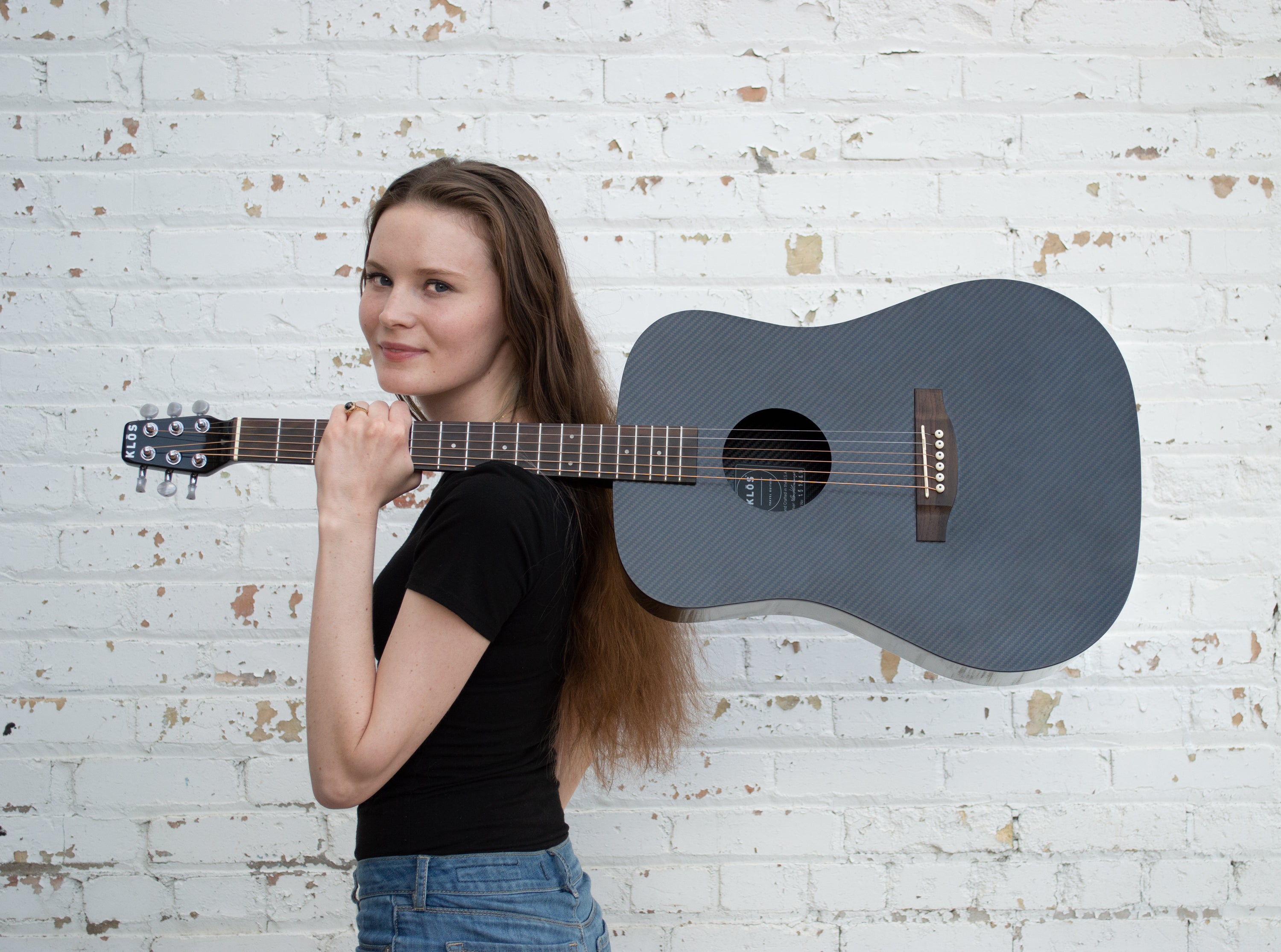
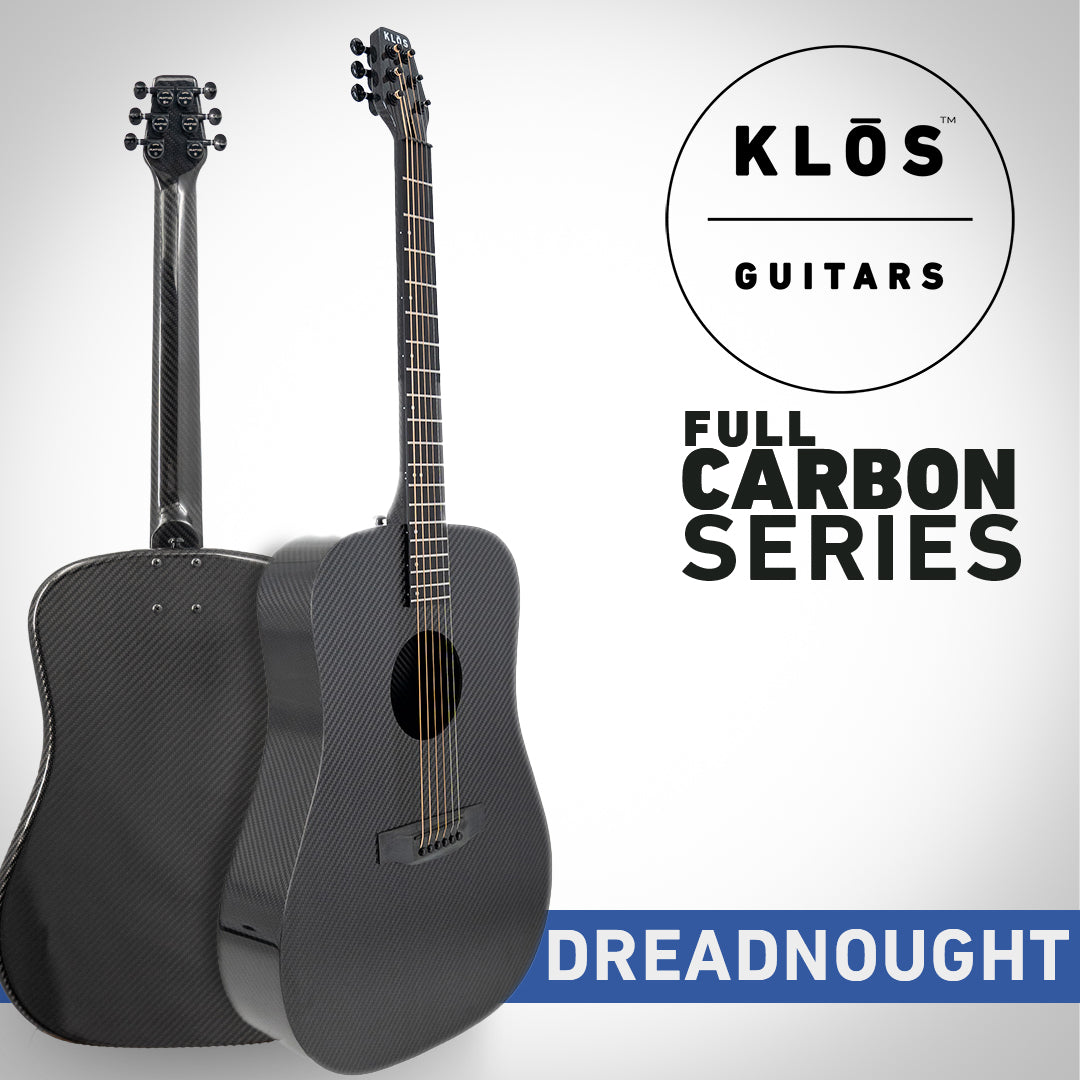
Reach for a concert if you have larger hands, you want a warmer and slightly louder tone, you plan to fingerpick or play more intricate parts, or you simply want a bit more breathing room on the fretboard without jumping up to a full tenor. The KLŌS carbon fiber concert ukulele is a strong example of this size done for real life. Because it is built from carbon fiber rather than wood, it does not warp or crack when the weather swings; it holds its tuning better than a comparable wood instrument, and every one ships PLEK set up, which means the frets and action are dialed in by a precision machine for clean, buzz-free playing right out of the box. That combination makes the concert size especially friendly for beginners who do not want to fight their instrument or babysit it through humidity changes.
A Quick Way to Decide
If you can, play both in person and trust your hands within the first two minutes. Your fingers will tell you fast whether the soprano feels cramped or just right. If you cannot try them, answer two questions. Do you have larger hands, and do you want a warmer, fuller tone? Two yes answers point to the concert. Two no answers, or a strong love of that bright classic plink, point to the soprano.
Whichever you choose, remember that the skills carry over completely. Chords, strumming patterns, and songs all move between the two sizes without penalty, so there is no wrong door here. You are picking a starting point, not signing a lifelong contract.
Pick the one that makes you want to keep it within arm's reach. That instrument is the one you will actually play, and the one you play is always the right size.


Leave a comment