





Buying your first mandolin should be exciting, not stressful, but the sheer number of choices can turn a fun purchase into an afternoon of second-guessing. Body shapes, materials, price tiers, pickups: it adds up fast when you are not sure which details matter and which are just noise.
Good news. Most of the decision comes down to a handful of practical questions, and once you answer them honestly, the right instrument tends to reveal itself. This checklist walks you through seven things worth thinking about before you spend a dollar, in the order that actually matters for a beginner.
Take these one at a time. By the end, you will know exactly what to look for and what you can safely ignore.

1. Body Style
Your first fork in the road is the shape of the instrument. The two most common are the A-style, a clean teardrop with no frills, and the F-style, the ornate one with the scroll and points that most people picture in a bluegrass band.
Here is the money-saving truth: that fancy F-style scroll is mostly cosmetic. It takes far more labor to build, which is why an F-style usually costs significantly more than an A-style of equal quality, often around a thousand dollars more. For a first instrument, an A-style gives you the same sound and playability for less, so unless you specifically want the traditional look, start there.
2. Materials: Wood or Carbon Fiber
What your mandolin is made of affects both how it sounds and how much it will ask of you. Traditional mandolins are built from tonewoods like spruce and maple, which produce a warm, classic voice but react to their environment. Wood expands and contracts with heat and humidity, so it can crack, warp, or need seasonal adjustments if you are not careful with storage.
Carbon fiber is the modern alternative. A carbon fiber mandolin is molded from the same strong, lightweight material used in aircraft; it simply ignores weather. It will not crack in a dry winter or swell in a humid summer, and it never needs a seasonal truss-rod tweak. If your instrument will travel, live in varied climates, or just get handled a lot, this durability removes a whole category of worry. There is a sound bonus too: a carbon fiber mandolin of comparable size tends to play louder than a typical wood mandolin, which helps it stand out in a group.

3. Setup and Action
If you remember one thing from this whole list, make it this. The single biggest factor in whether a beginner sticks with the mandolin is how easy the instrument is to play, and that comes down to the setup. Action is the distance between the strings and the fingerboard. When it is too high, every note causes painful finger pressure, and new players quit thinking they lack talent when they have a poorly adjusted instrument.
Many cheap mandolins ship with rough setups and need a trip to a repair shop before they play well, an extra cost worth budgeting for. Some instruments skip that problem entirely. Every KLŌS ships set up on a PLEK machine, a computer-controlled process that dials in the frets and action to professional standards, so the instrument plays properly the moment it arrives. Whatever you buy, prioritize a good setup over flashy features every single time.
4. Scale Length and Nut Width
The physical dimensions of the neck decide how the mandolin feels in your hands. Scale length is the vibrating length of the string from the nut to the bridge, and on a standard mandolin it sits around 14 inches, which keeps the frets close together. Nut width is how wide the neck is where the strings begin, and it controls how much room your fingers have between courses.
If you have larger hands, a slightly wider nut can make fretting those paired strings cleaner and less cramped. If your hands are small, the mandolin's naturally compact size is a gift. There is no universally correct measurement here, so if you can, hold a few instruments and notice which neck feels natural rather than fighting your fingers.
5. Pickup and Amplification Options
Think ahead about whether you will ever want to plug in. If you only plan to play at home or around a campfire, a purely acoustic mandolin is all you need. But if there is any chance you will join a band, play open mics, or perform where a microphone is not practical, a built-in pickup saves you a lot of hassle later.
You can also shape and boost your amplified sound with a preamp, like the mandolin EQ preamp, which gives you tone and volume control before your signal hits the amp. You do not have to decide everything now, but knowing whether you are heading toward the stage helps you avoid buying twice.
6. Budget
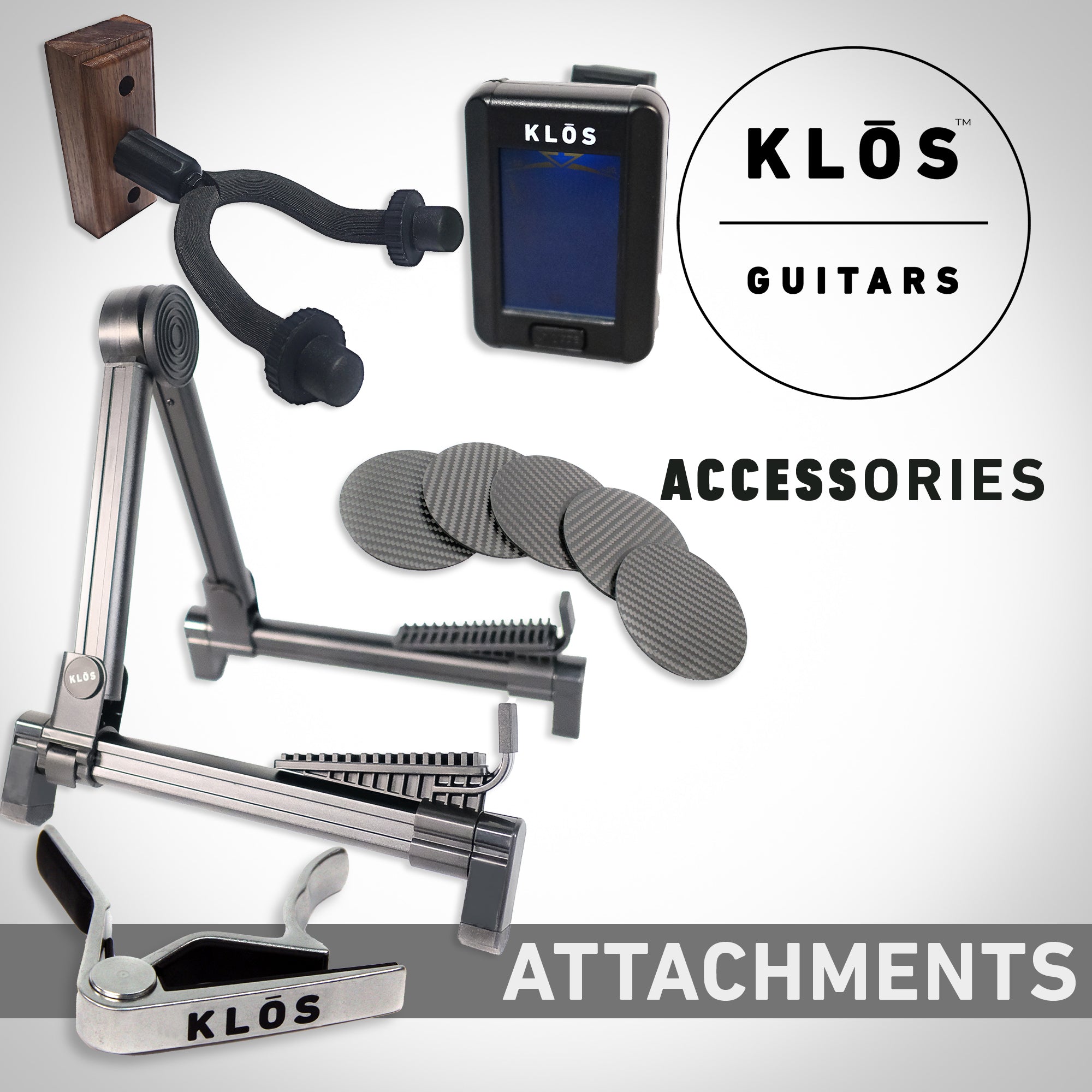
Set a realistic number, and remember to include the extras. A mandolin's sticker price is only part of the cost. Factor in a case to protect it, a clip-on tuner, spare strings, and possibly a setup at a local shop if the instrument does not arrive playable.
As a rough guide, the lowest tier gets you playing but requires setup work. The middle tier is where value peaks with solid woods and better construction. The upper tier brings professional tone and craftsmanship. For most beginners, spending a little more than the rock-bottom option pays off in an instrument that plays well and holds its value if you decide to upgrade. A good mandolin you enjoy playing is worth more than a cheap one gathering dust.
7. Intended Use
Finally, be honest about how the instrument will actually live its life. Where you play changes which mandolin makes sense more than almost anything else.
If it will sit in a climate-controlled room and rarely leave the house, a wood instrument will be perfectly happy. If it is going to ride in car trunks, fly to gigs, come camping, or follow you between wildly different climates, a rugged carbon fiber instrument spares you constant worry about cracks and humidity. Also consider the music you love. Bluegrass, Celtic, folk, and classical each have styles that suit them, though honestly any decent mandolin can play across genres while you find your footing.
Putting It All Together
Boil the checklist down, and it comes to this: prioritize a great setup, pick a body style and material that match your budget and your lifestyle. Buy the instrument you will actually want to pick up every day. The right first mandolin is not the fanciest or the cheapest one; it is the one that fits how you live and plays easily enough to keep you coming back.
Look for genuine durability, a professional factory setup, and the backing of a solid warranty, and you will have an instrument that lasts. When you are ready to browse, the full lineup lives at klosguitars.com.
One last encouragement. The mandolin community is smaller than the guitar or ukulele world, but it is tight-knit and genuinely welcoming to newcomers. Whichever instrument you choose, there are players out there ready to help you tune up, learn your first tunes, and feel at home.


Leave a comment