





Start shopping for a ukulele you can plug in, and you run straight into two terms that sound almost identical: electric ukulele and acoustic-electric ukulele. They are not the same instrument, and picking the wrong one for how you play can leave you either unable to practice quietly or unable to fill a room. The difference comes down to how each one makes sound, and once that clicks, the right choice is obvious.
Here is what separates an electric ukulele from an acoustic-electric ukulele, what each is good at, and how to decide which belongs in your hands.

The Core Difference: Where the Sound Comes From
The whole distinction rests on one question: can the instrument make a useful sound on its own, without an amplifier?
An acoustic-electric ukulele is, first and foremost, a normal acoustic ukulele. It has a hollow body that produces full, natural sound unplugged, exactly like any acoustic uke, and it also has a pickup installed inside that lets you plug into an amplifier or PA when you need more volume. Unplugged, it is a complete instrument. Plugged in, it gets louder. You lose nothing by not having an amp handy.
An electric ukulele, in the solid-body sense, is a different animal. Like a solid-body electric guitar, it has little or no hollow chamber, so on its own it produces only a thin, quiet sound, barely enough to practice with in a silent room. It is designed to be plugged in, where a pickup and an amplifier do the real work of making it loud and shaping its tone. Without an amp, it is not doing the job it was built for.
That single difference, whether the instrument stands on its own acoustically, drives everything else about choosing between them.
What an Acoustic-Electric Ukulele Is Best For
For the large majority of players, the acoustic-electric is the more practical instrument, because it does two jobs in one. At home, you pick it up and play, no cables, no amp, no setup, just a normal ukulele. Then when you play a show, a service, an open mic, or a rehearsal, you plug the same instrument in and it fills the space.
That flexibility is why acoustic-electric ukuleles are the go-to for gigging musicians, worship players, singer-songwriters, and anyone who wants one instrument that covers both quiet practice and amplified performance. You are not maintaining two ukuleles or committing to an amp for everyday playing. You get the natural acoustic voice you already love, plus the option to be heard over a band or a crowd whenever you need it.
What a Solid-Body Electric Ukulele Is Best For
The solid-body electric has its own real strengths, and they matter to a specific kind of player. Because it makes almost no sound on its own, it is excellent for silent practice: plug in headphones and you can play at full intensity at midnight without disturbing anyone. That near-silent acoustic output also means it resists feedback at high volumes, which is why players performing loud, amplified sets sometimes prefer it.
It also opens the door to effects and tone shaping, the same way an electric guitar does. Run it through pedals and amp settings and you can push its sound in directions an acoustic instrument cannot go. For players chasing that experimental, plugged-in, effects-driven world, a solid-body electric is the tool for it. For most people who simply want a ukulele that can also be loud when needed, it asks for an amp you may not want to carry.
Understanding the Pickup, the Part That Plugs In
Both plug-in instruments rely on a pickup, so it helps to know what that is. A pickup is a small device inside the instrument that turns the strings' vibration into an electrical signal a cable can carry to an amp. The most common type on an acoustic-electric ukulele is a piezo pickup, which sits under the saddle and senses vibration directly.
There is a meaningful step up worth knowing about. A passive pickup sends its signal straight out, while an active pickup adds a small onboard preamp, usually powered by a battery, that boosts and shapes the signal and often includes a volume control and a built-in tuner right on the instrument. Active systems generally give you a stronger, cleaner signal and the convenience of tuning without a separate device. If you plan to perform regularly, an active system is a genuine quality-of-life upgrade.
How to Choose
The decision comes down to how you actually play, and it is refreshingly clear once you frame it right. If you want one instrument for both quiet home playing and amplified performance, choose an acoustic-electric, because it is a complete acoustic ukulele that also plugs in. If your main need is silent, headphone practice or a feedback-resistant instrument for loud, effects-heavy amplified playing, a solid-body electric is built for that narrower job.
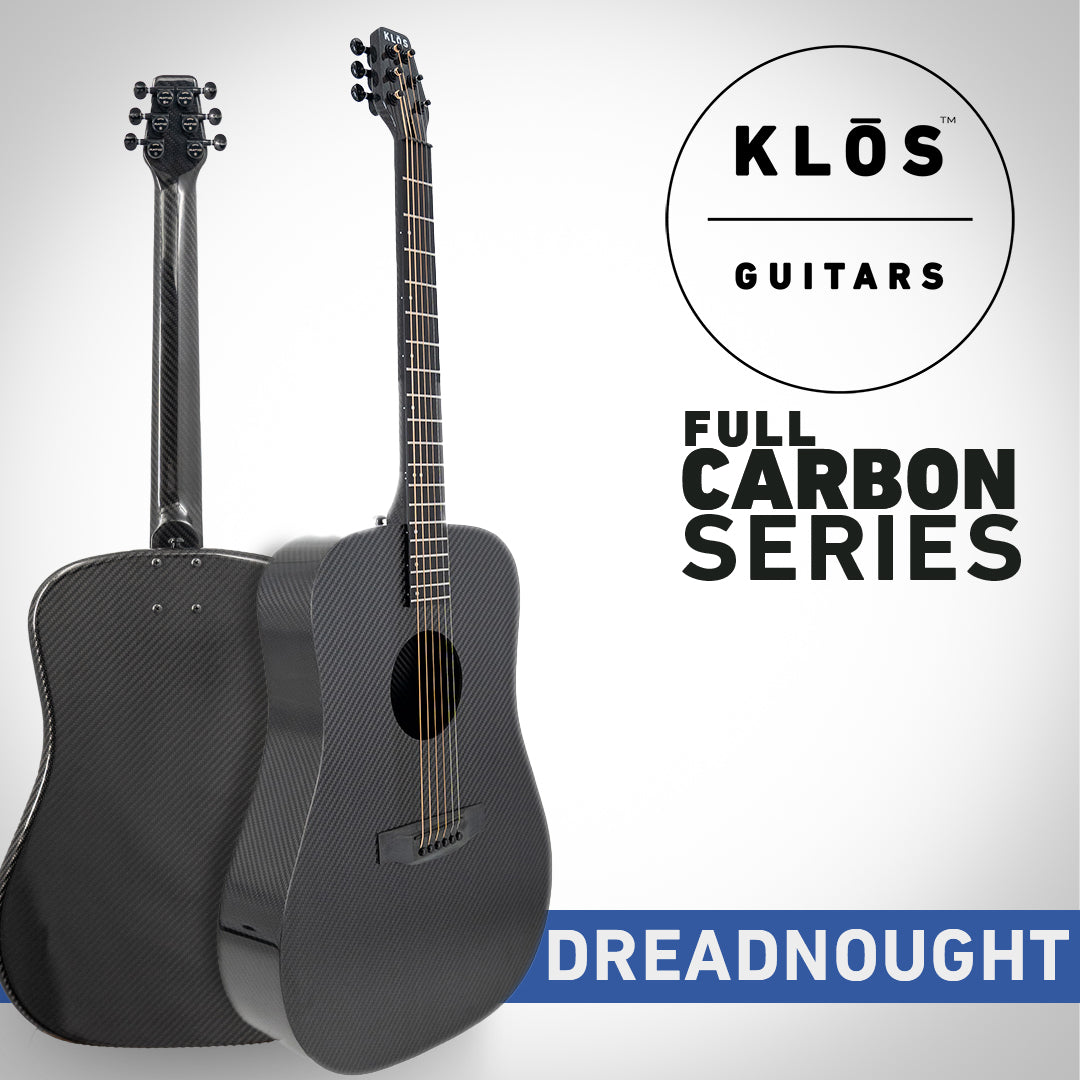
For most players, the acoustic-electric wins on sheer versatility, and it is the direction the KLŌS ukulele line takes. The Full Carbon Concert Ukulele is available in an acoustic-electric version, so the compact, travel-friendly concert you would happily play unplugged can also be plugged in when the room gets loud. The Full Carbon Baritone Ukulele offers an acoustic-electric option with an active piezo pickup and an onboard tuner, giving you a boosted signal and built-in tuning for the stage. Because both are full carbon fiber, they hold their tuning far better than wood between sets and shrug off the climate swings that come with taking an instrument out to play, and each is set up on a PLEK machine for clean action out of the box.

The Takeaway
Electric and acoustic-electric ukuleles solve two different problems. A solid-body electric is a plug-in-required instrument for silent practice and loud, effects-driven playing. An acoustic-electric is a full acoustic ukulele with the added power to be heard when you need it, which makes it the more versatile choice for most players. Decide whether you need an instrument that stands on its own unplugged, and the rest of the choice falls into place.


Leave a comment