


Almost everyone who wants to learn a stringed instrument runs into the same fork in the road. Should you start with a ukulele or a guitar? Both are wonderful, both will teach you real musicianship, and plenty of players end up owning both eventually. But for a true beginner, the choice you make first shapes how quickly you progress and how much fun you have along the way.
This is a straight comparison of ukulele vs guitar to help you decide, with a quick look at how the ukulele compares to a couple of other popular choices like the mandolin and the banjo.

Size and Playability
The most obvious difference between a ukulele and a guitar is size, and it matters more than people expect.
A ukulele is small and light, with a short neck, four strings, and frets spaced close together. That makes it easy to hold, easy for small hands, and gentle on the fingertips. The strings are nylon or fluorocarbon, which press down with much less force than guitar strings. Many beginners can form their first chord within minutes.
A guitar is larger, with six strings and a longer neck. A steel-string acoustic, in particular, presses hard against the fingertips until you build calluses, and the wider fretboard asks more of your fretting hand. None of this is a dealbreaker; millions of people learn on guitar every year, but the physical barrier to the very first chord is higher than on a ukulele.
For comfort and immediate playability, especially for kids or anyone with smaller hands, the ukulele wins this round clearly.
The Learning Curve
This is where the ukulele's reputation as a beginner instrument is well-earned.
Because it has only four strings and softer string tension, many beginner ukulele songs use chords that take just one or two fingers. You can strum a recognizable song on your first day. That early win matters enormously because the most common reason people quit an instrument is that they get discouraged before they ever sound good. The ukulele shortens the distance between starting and sounding musical.
The guitar has a steeper early climb. Six strings, harder chords like the dreaded F chord, and more finger strength required mean it usually takes longer before a beginner can play a full song cleanly. The payoff is that the guitar's larger range and broader repertoire open up enormously once you get past that first hump.
If your priority is fast progress and early enjoyment, the ukulele is the friendlier path. If you are specifically drawn to guitar music and willing to push through a tougher start, the guitar rewards persistence.
Sound and Versatility
Tone is where personal taste takes over, so be honest with yourself about the music you love.
The ukulele has a bright, cheerful, intimate sound that suits folk, pop, island music, and singer-songwriter styles. It is built for accompanying your voice and for warm, casual playing. What it does not do is cover the low end or the heavy, full-range sound of a guitar, simply because it is smaller and tuned higher.
The guitar is a more versatile instrument across genres. From delicate fingerpicking to driving rhythm to lead playing, it spans rock, blues, classical, country, jazz, and everything between. It has a wider pitch range and more sonic territory. If you dream of playing a huge variety of styles, the guitar offers more room to roam over a lifetime.
A useful way to think about it: the ukulele is a joy to play right now, and the guitar is a bigger long-term canvas. Many players start on the ukulele to build confidence and basic skills, then move to guitar later with a real head start.
Cost and Commitment
Budget is a practical factor that often gets ignored.
A quality beginner ukulele generally costs less than a comparable quality beginner guitar, and a smaller instrument is also easier to store and carry. That lower commitment makes the ukulele a low-risk way to find out whether you enjoy playing a stringed instrument at all, before investing more in a guitar.
Skills also transfer between the two. Rhythm, chord changes, ear training, and timing all carry over, and the ukulele's tuning maps onto the top four strings of a guitar in a related way. Time spent on either is rarely wasted if you later switch.
How the Ukulele Compares to Mandolin and Banjo
The ukulele and guitar are not the only options, and two others come up often.
In ukulele vs mandolin, the mandolin has eight strings in four doubled pairs and is tuned like a violin, which gives it a bright, ringing tone suited to bluegrass, folk, and classical. It is more demanding for a beginner because of the paired strings and tighter spacing, so the ukulele remains the gentler starting point while the mandolin appeals to players drawn to that specific sound.
In ukulele vs banjo, the banjo has a distinctive, twangy, percussive voice driven by its drum-like body, and it shines in bluegrass and old-time music. It is heavier, often more expensive, and its rolls and techniques take dedicated practice. Again, the ukulele is the easier and more affordable first step, while the banjo is a wonderful choice for someone in love with that particular style.
Across all of these, the ukulele consistently serves as the most approachable entry point, which is exactly why it has become so many people's first instrument.

So, Which Should You Learn First
Start with the ukulele if you want the fastest path to playing real songs, an instrument that is comfortable from day one, and a lower-cost way to build a foundation. Start with the guitar if you are specifically pulled toward guitar music and ready to work through a tougher beginning for a wider long-term range.
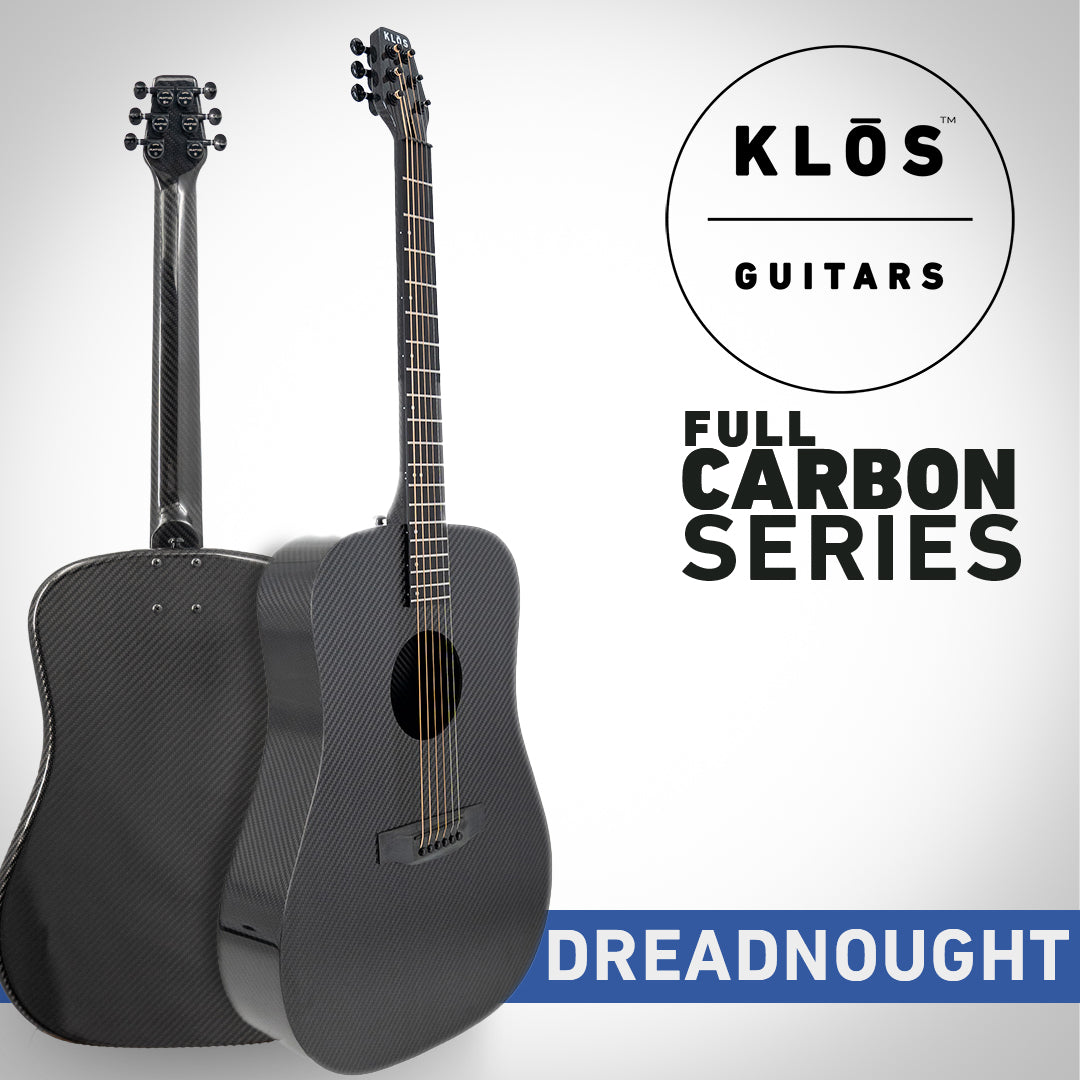
Whichever you choose, the instrument that survives your life is the one you will actually keep playing, and that is where build quality matters. KLŌS makes carbon fiber versions of both, designed to resist the heat, cold, and humidity that crack and warp wood, so they hold their tuning and come along on the trip rather than staying home. You can compare the KLŌS carbon fiber concert ukulele against the full guitar lineup at klosguitars.com and pick the starting point that fits you best.
There is no universally correct answer in ukulele vs guitar, only the right answer for you. Pick the one that matches the music you love and the way you want to feel while learning, and the early momentum will carry you forward.