



If you are weighing a carbon fiber bass guitar against a wood one, you are probably asking a simple question with a lot behind it. Which one sounds better, holds up longer, and feels right in your hands over years of playing?
The honest answer is that both can be excellent. They just get there by different routes. Wood has centuries of tradition and a voice that generations of players have loved. Composite instruments are newer, and they solve a few old problems in ways that surprise people the first time they try one.
This guide walks through tone, climate stability, weight and feel, and cost and value. Then it offers some plain guidance on which direction might suit you.
Why the material matters more on a bass
On a bass, the body and neck are doing heavy work. Long strings under high tension pull hard on the neck, and low notes ask a lot from whatever material is carrying that vibration.
Wood is an organic material, so no two pieces are identical. That variability is part of its charm, and it is also why two wood basses off the same bench can feel a little different from each other.
Carbon fiber is a woven composite, engineered to be stiff and consistent. That stiffness changes how the instrument responds, and the consistency means one composite bass tends to behave much like the next. Neither trait is automatically better. They simply give you different starting points.
Tone: warmth versus clarity
Wood is often described as warm, and there is a real reason for it. A wooden body flexes and colors the sound as it resonates, adding overtones that many bassists associate with a full, organic low end. If you love the sound of a classic wood bass, that coloration is a big part of what you are hearing.
Carbon fiber leans a different way. Because the material is stiffer, it tends to transmit the string's vibration with less coloration from the body itself. The result is often a clear, even response across the strings, with strong sustain because that stiff structure gives less energy back to damping. Players sometimes describe it as focused rather than warm.
So which is right? It depends on the sound in your head. For roots reggae or vintage soul, a wood bass's natural warmth may be exactly the target. For modern styles where note definition and consistency matter, the clarity of a carbon fiber bass guitar can cut through a dense mix more easily.
Neither approach is a compromise. They are two valid tonal goals, and the better instrument is the one that matches yours.
Climate stability: where the two really diverge
This is the clearest practical difference between the materials. Wood is hygroscopic, which means it takes on and releases moisture from the air. When humidity swings, wood expands and contracts. That movement can shift the setup, alter the action, and knock the instrument out of tune between sessions.
None of that is a flaw in wood. It is simply the nature of an organic material, and careful players manage it with humidifiers and case control. A well kept wood bass can last a lifetime.
Carbon fiber does not absorb moisture the same way, so it barely reacts to humidity or temperature changes. A composite bass tends to hold its tuning and setup far longer between sessions, because the neck is not breathing with the weather the way a wooden one does. If you tour, fly, or live somewhere with hot summers and dry winters, that stability removes a recurring headache.
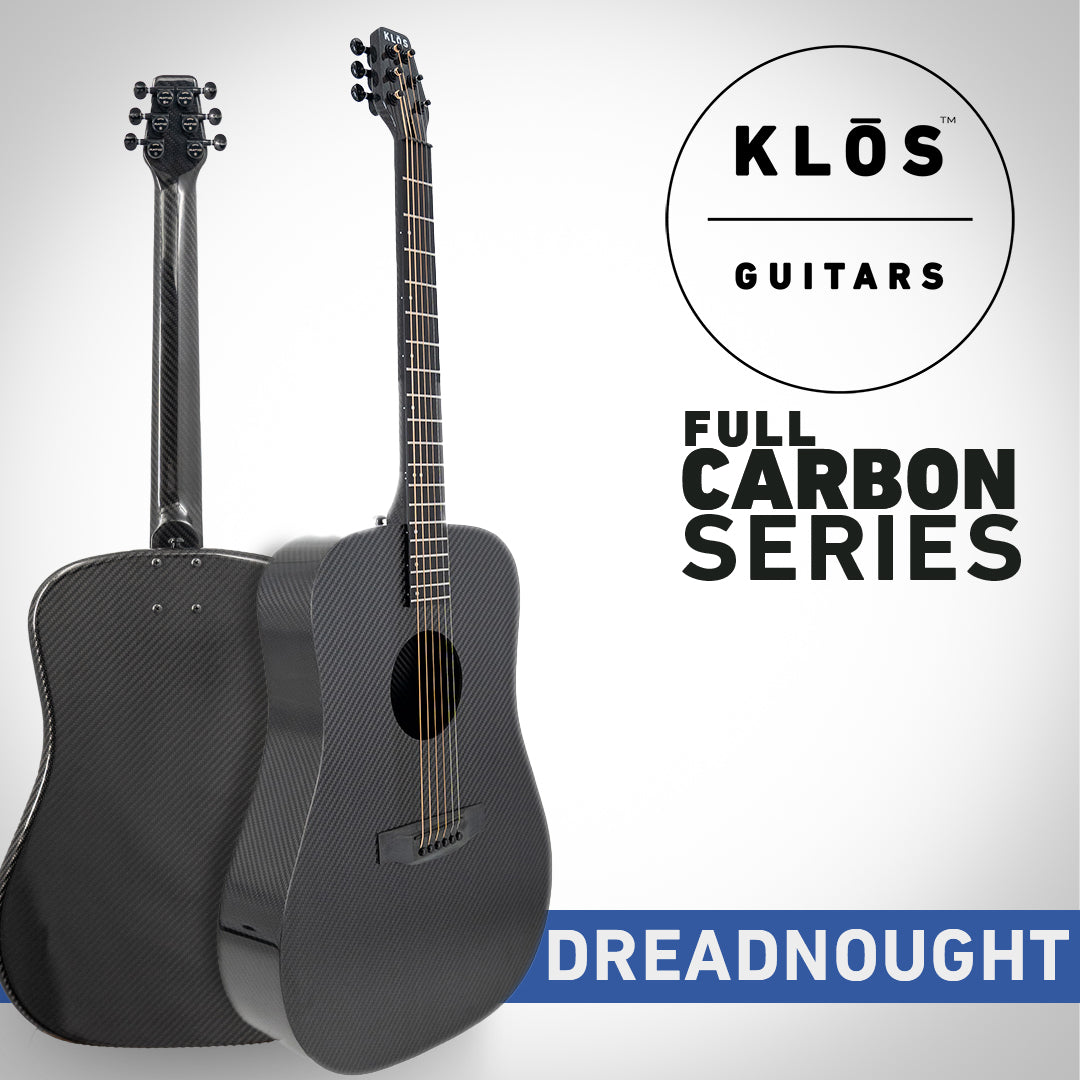
This is a big reason many touring and traveling players reach for composite instruments. A bass that stays reliable from a humid club to a dry hotel room is one less thing to worry about. KLŌS builds its instruments around exactly this kind of durability and climate stability, which is why they hold up in conditions that would keep a wood owner reaching for a hygrometer. You can see how they approach it on the KLŌS Guitars site.
Weight and feel
Bassists feel this one after a long set. A bass is heavier than most guitars to begin with, and hours with a strap on your shoulder add up.
Wood basses vary quite a bit by species. A lighter body wood keeps things manageable, while a dense one can weigh you down by the end of the night. Some players love the planted, solid feel of a heavier instrument, so weight is partly a matter of taste.
Carbon fiber construction can be built strong at a lower weight, because the material is stiff for how little it weighs. Many composite basses come in noticeably lighter than a comparable dense wood body, which is easy on your back and shoulder during long gigs. The neck often feels quick too, since a stiff neck resists flexing under the strings.
Feel is personal, so try before you commit if you can. But if shoulder fatigue or travel weight is a real concern for you, this is one place the composite has a built in edge.
Cost and value over time
Price is where wood still holds an advantage at the entry level. A high quality bass guitar in wood is available across a wide range of budgets, from affordable beginner models to boutique instruments, simply because the manufacturing has been refined over many decades.
Carbon fiber costs more to make. The materials and the molding process are involved, so a modern bass guitar built from composite usually starts higher than a comparable wood one. There is no way around that up front.
The value picture shifts when you look at the whole life of the instrument. A composite bass needs less fussing over humidity, tends to hold its setup, and shrugs off the small knocks of travel that can damage a wood finish. For a player who gigs hard or moves around, a high end bass guitar in carbon fiber can earn its price back in fewer setup visits and fewer weather related surprises.
It also helps when an instrument arrives ready to play. A clean factory setup means the action and intonation are dialed in before it reaches you, so you spend less on early adjustments. That is worth asking about whichever material you choose.
So which should you pick?
Start with where and how you play. If you mostly record or gig close to home, love a traditional voice, and want the widest range of prices, a wood bass is a wonderful and proven choice. Its warmth and history are real, and there is a reason it remains the standard.
If you travel often, play in tough or changing climates, want a lighter instrument, or simply prefer a clear and consistent response, a carbon fiber bass guitar makes a strong case. You trade a higher entry price for stability, durability, and low maintenance.
Many players eventually keep one of each, using the wood bass for its character and the composite for the road. There is no wrong answer here, only the one that fits your music and your life.
If the durability and travel side speaks to you, it is worth seeing how a purpose built composite instrument feels in person. You can explore the lineup and read more about the construction at KLŌS Guitars, then decide with your own ears and hands.
Whatever you choose, you are choosing well. A good bass, wood or composite, will reward the hours you put into it.