


The first time someone plays a bass ukulele in front of you, the sound rarely matches the size. You expect a quiet little plink. Instead, a round, deep tone fills the room, the kind you usually feel as much as hear. That gap between how small the instrument looks and how big it sounds is the whole appeal of the bass ukulele, and it is why so many players end up curious about one.
If you have been wondering what a bass ukulele actually is, how you tune it, and whether it belongs in your hands, this guide walks through all of it in plain terms.

What a Bass Ukulele Really Is
A bass ukulele is a short-scale bass built into a body about the size of a baritone ukulele. It is tuned like a full-size bass guitar, so it produces genuine low end despite its compact frame. People often shorten the name to ukulele bass, and the most well-known version goes by the brand name UBass, which has become a casual catch all term the way many players say it.
The instrument did not exist in any popular form until fairly recently. Bass players wanted something they could throw in a backpack without hauling a four-foot bass around, and instrument makers answered with a tiny body and thick rubbery strings that could generate low notes on a short scale. The result feels like a ukulele in your lap but speaks like a bass through an amp.
That combination is the entire point. You get portability that a standard bass cannot match, with a voice that still sits in the low register of a band.
The UBass and How It Is Tuned
Here is the part that surprises most newcomers. A bass ukulele is not tuned like a regular ukulele at all. A standard ukulele uses GCEA. A bass ukulele is tuned EADG, exactly like a bass guitar. Also, like the bottom four strings of a six-string guitar.
That means if you already play bass, you do not have to relearn anything. The note layout is identical, just compressed into a much shorter scale length. Your muscle memory for scales, root notes, and basslines transfers straight over.
The short scale is what makes this possible and also what gives the instrument its character. A normal bass has a scale length of around 34 inches. A bass ukulele typically measures 20 to 21 inches. Squeezing bass tuning onto a scale that short requires special strings, which is where a lot of the magic and a lot of the quirks come from.

Strings Are the Heart of the Instrument
On most ukuleles, the strings are an afterthought for beginners. On a bass ukulele, they define the entire experience. Because the scale is so short, normal metal bass strings would feel slack and sound weak. So bass ukuleles usually ship with thick polyurethane strings that look and feel almost like surgical tubing.
These polyurethane strings, sometimes called Pahoehoe strings after a popular line, are soft, fat, and a little sticky to the touch. They give that signature warm, thumpy, upright bass flavor that players love. The trade-off is that they take a while to settle. A fresh set can sound dull and stretch out of tune for the first few days until they break in.
There is a second camp of bass ukulele strings made from metal-wound cores designed for short-scale instruments. These feel more like traditional bass strings, respond faster, and suit players who want a brighter, more modern attack. When you shop for bass ukulele strings, you are really choosing between that round vintage thump and a tighter contemporary punch.
Whichever you choose, expect to baby a new set for a week. Tune often, play it in, and the tuning stability improves dramatically once the strings finish stretching.
Acoustic, Acoustic Electric, and Fretless Options
Bass ukuleles come in a few flavors, and knowing them helps you avoid buying the wrong one.
A purely acoustic bass ukulele is quiet on its own. The thick strings and small body do not move much air. So unplugged, it works for late-night practice but not for playing with other people. Most players treat the acoustic version as a practice tool.
An acoustic electric bass ukulele adds a pickup and a preamp so you can plug into an amp or PA. This is the version most people actually want, because the instrument truly comes alive when amplified. Through a bass amp, that tiny body suddenly competes with a full-size rig.
There is also a fretless bass ukulele for players chasing the smooth, vocal glide of an upright bass. Fretless rewards a careful ear and clean technique, so it is usually a second instrument rather than a first. If you are new to bass entirely, start fretted.
Who the Bass Ukulele Is Actually For
A bass ukulele makes the most sense for a few clear groups. Traveling and gigging bass players love it because it fits in an overhead bin and still delivers real low end on stage. Guitar and ukulele players who want to round out home recordings reach for one because it is approachable and immediately useful in a mix. And anyone tight on space gets a real bass voice without surrendering a corner of the room to a full-size instrument.
It is less ideal as a complete beginner's only instrument if your goal is to learn standard ukulele chords and strumming, because the tuning and role are completely different. A bass ukulele plays basslines, not chords. If you want the bright, strummy, sing-along ukulele experience, a standard concert or tenor is the better starting point, and you can add a bass later.
Where KLŌS Fits In
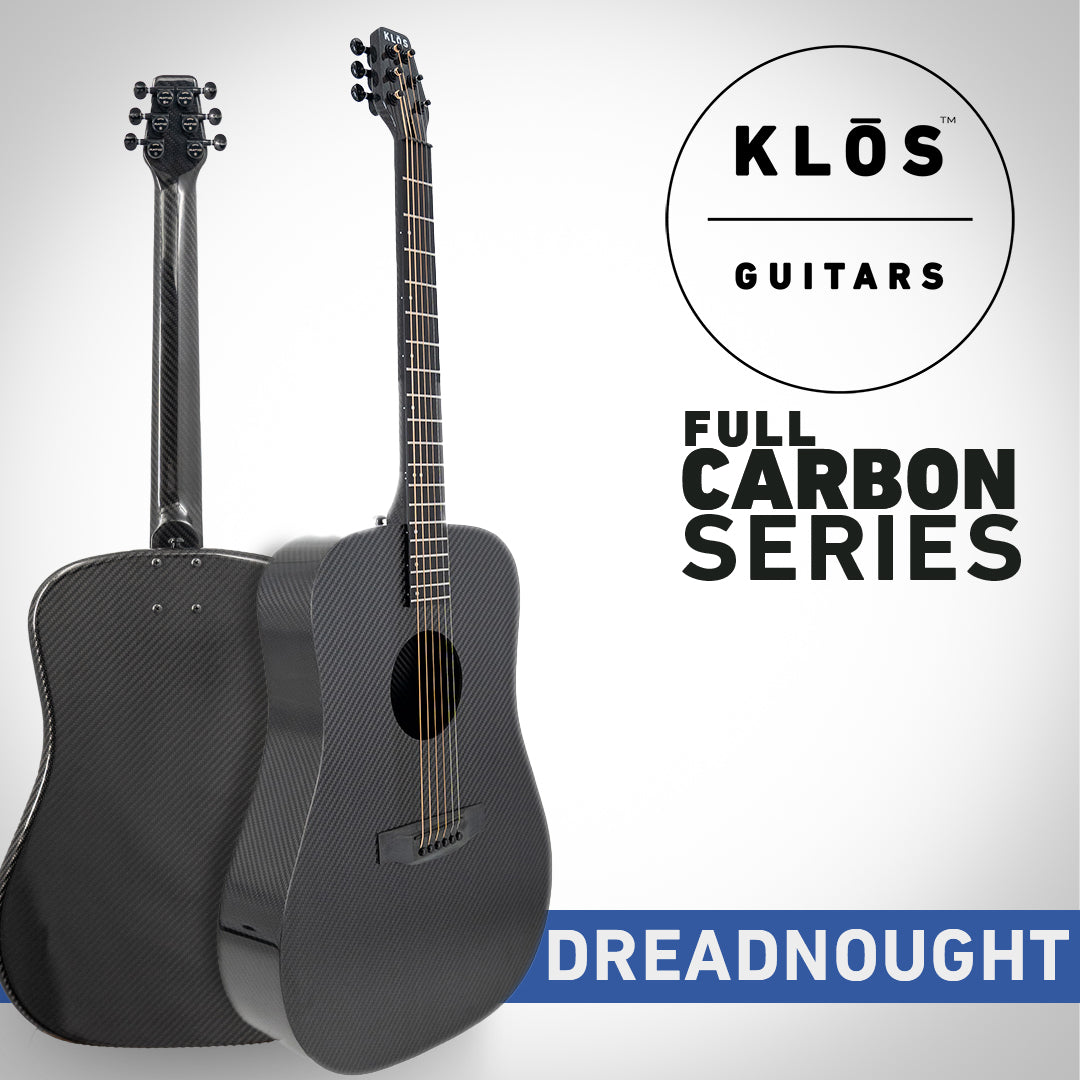
The whole pitch of a bass ukulele is portability, and portability usually means exposing an instrument to heat, cold, and humidity swings that wreck traditional wood. That is exactly the problem carbon fiber was built to solve, and it is why KLŌS makes a carbon fiber bass ukulele for players who want to take their low end anywhere.
Carbon fiber does not swell or shrink with humidity the way wood does, so it holds its setup and tuning when you move from an air-conditioned room to a humid outdoor stage, and it shrugs off the bumps of travel that punish a wood instrument. If the grab-and-go spirit of a bass ukulele is what drew you in, the KLŌS full carbon bass ukulele delivers that deep, warm thump in a body that is genuinely built to go on the road with you. You can see it alongside the rest of the lineup at klosguitars.com.
A bass ukulele is one of those instruments that sounds like a gimmick until you hear one. Then the deep, warm thump coming out of something the size of a small guitar makes complete sense. Tune it EADG, give the strings a week to settle, plug it in, and you have real bass that travels anywhere.