


This blog was written by RA Beattie of Beattie Productions following his rafting trip down the Grand Canyon portion of the Colorado River. You can find more of his work here: offthegridstudios.com
I spent 16 years in the guitar industry—working as a marketing director and artist relations director, helping launch thousands of instruments across Breedlove Guitars, Bedell Guitars, Weber, and Great Divide. I know wooden guitars. I know how they sound, how they’re built, and more importantly, how they fail. So when it came time to head into the Grand Canyon, I didn’t even consider bringing one.

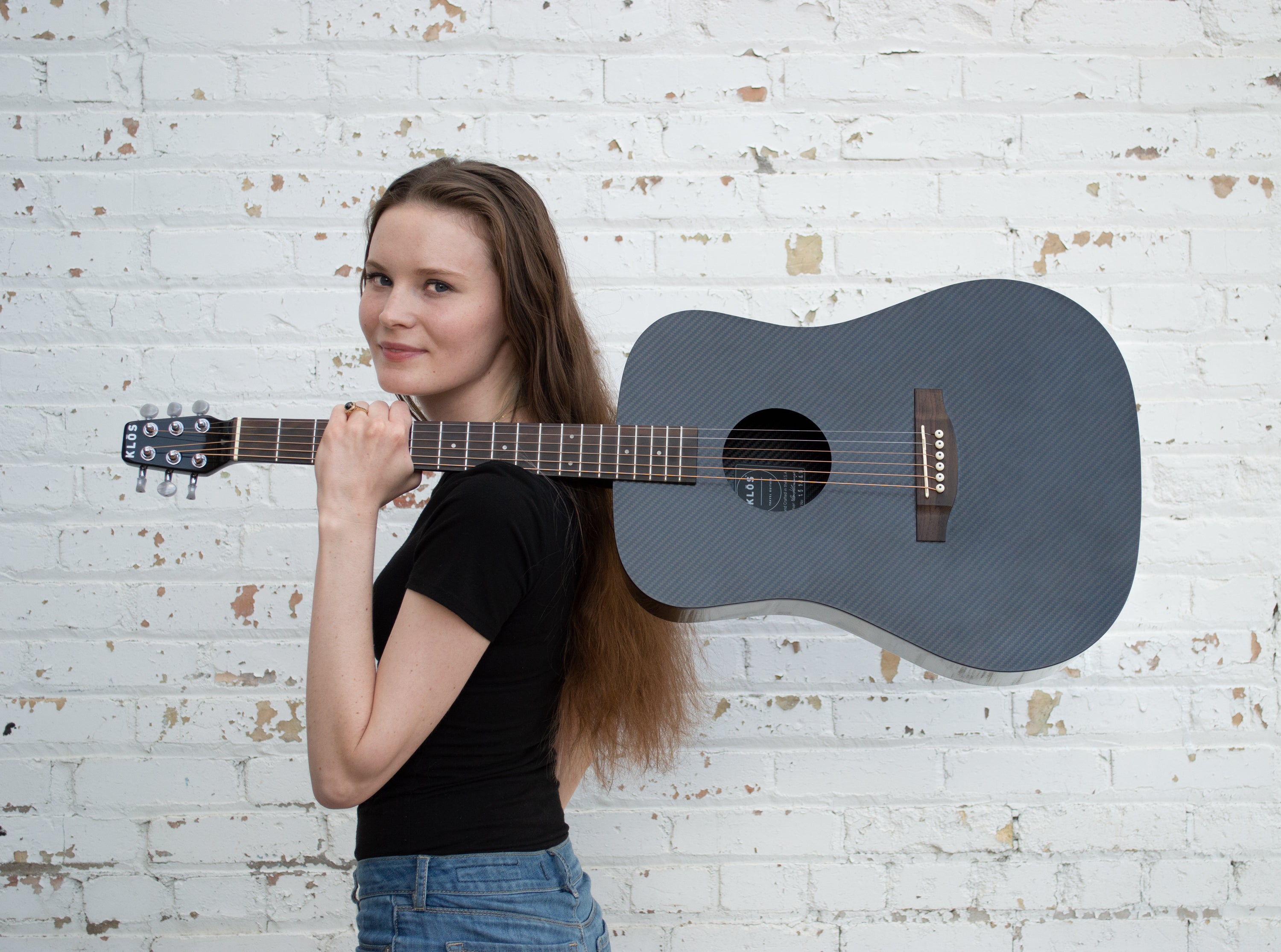
This trip wasn’t casual. It was a full Grand Canyon rafting expedition—flight, hike, and then fourteen days on the river. I needed something that could handle all of it. That search led me to KLOS. What stood out right away was the design: a carbon fiber guitar with a separable neck. Compact. Lightweight. Purpose-built for movement. But the real question wasn’t convenience. It was survival.
Getting to Arizona meant small regional aircraft, tight overhead bins, and way too much gear. The KLOS packed down easily, carried on without issue, and avoided the usual stress that comes with flying a traditional guitar. No gate check. No worrying about baggage handlers. It passed the first test without a second thought.
From there, it was eight miles down into the Canyon on foot. Everything had to go on my back. Weight matters. Space matters even more. The guitar stayed compact and light, fitting into the system without becoming a burden. At this point, it had already cleared two hurdles that stop most instruments before the real trip even begins.
Then came the real test. The Grand Canyon is one of the harshest environments you can put gear through—period. Fourteen days of high heat, constant sun exposure, sand in everything, and a mix of calm water and some of the most violent whitewater in North America. It’s a place where gear doesn’t get a pass. And right out of the gate, it tested everything.
We hit Horn Creek Rapid the first day of our trip—an 8 out of 10 on the Canyon whitewater scale. Big water. Heavy hydraulics. We flipped. Hard. Violent. The raft went over in a massive hole and landed on us with force. My partner got pulled into the hydraulic and was recycled for 30 seconds underwater before finally getting flushed out. I was pinned under the raft for longer than I’d like to admit. Our third got pushed into a rock wall and took hits to the ribs between him and the massive raft. It was one of those moments where things go sideways fast. The team recovered. We got everyone safe, pulled the raft into an eddy, and flipped it back upright. But our gear had been underwater in a powerful rapid for close to an hour.

That night at camp, everything came out. Wet bags. Soaked clothes. Gear hanging from every tree, trying to dry in the dark. When I found the guitar, I could hear it before I opened the bag—water sloshing inside the body. I turned it upside down and poured out what felt like a small river. Set it on a rock and left it there overnight, not expecting much.
In the morning, I picked it up. Put the neck on. Tuned it. And it rang out. Clean. Stable. Playable. We sat there, a little surprised, and played a handful of tunes without issue. It had just survived Horn Creek.
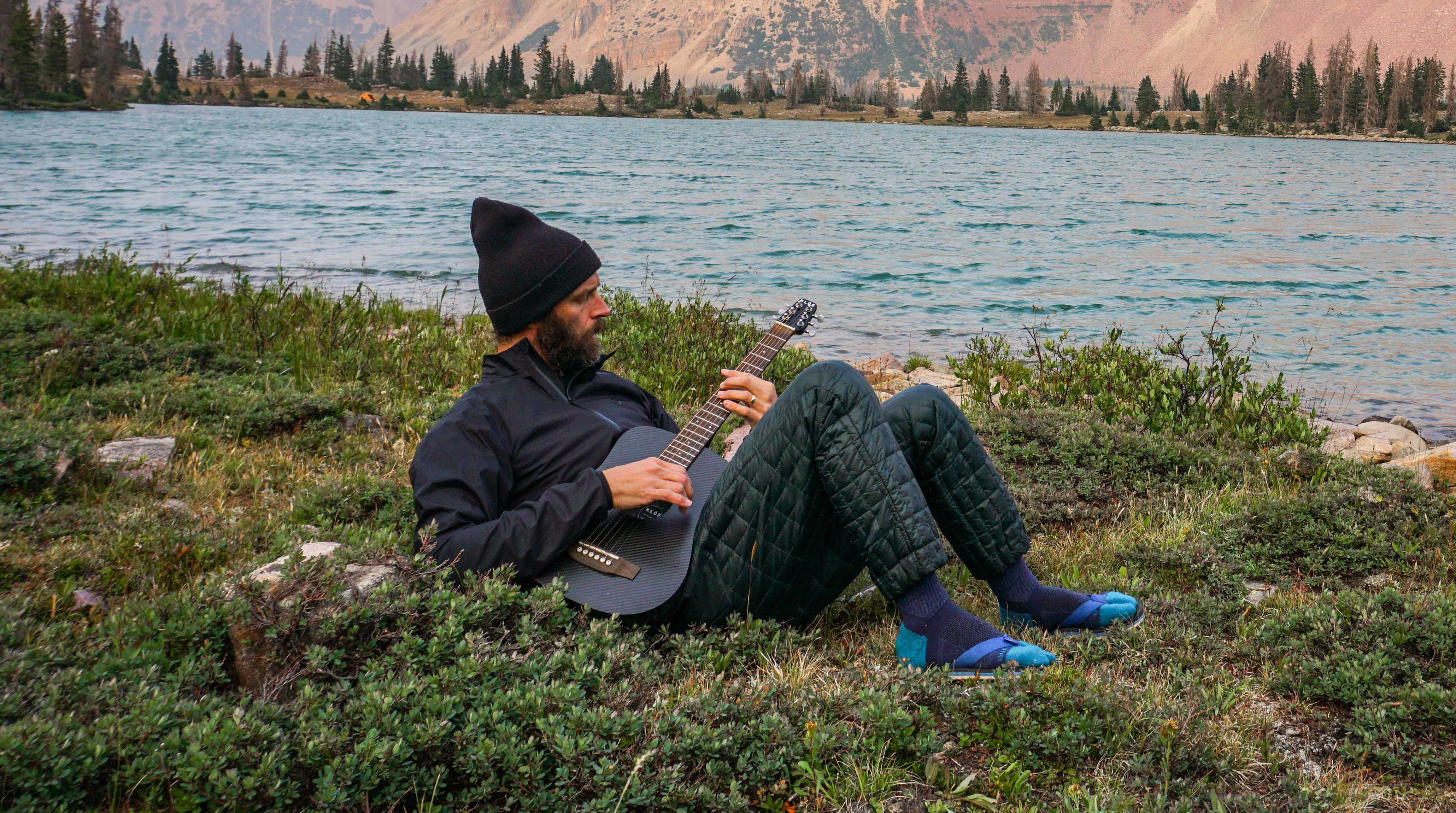
Over the next fourteen days, the guitar kept going. More rapids. More impacts. More sand. More water. More sun. And every night, it came out. It played through birthday celebrations—55 and 60—and even a wedding proposal. It carried sound through the canyon walls and became part of the rhythm of the trip. Not something protected. Something used.
The guitar made it all the way back to Bend, Oregon. Same strings. Same setup. Still playing it today.
I’ve spent most of my career around instruments that demand care. This wasn’t one of them. This was a guitar that went through one of the toughest environments imaginable—and kept showing up, night after night.